

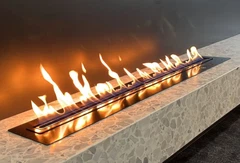
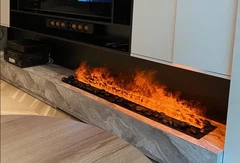
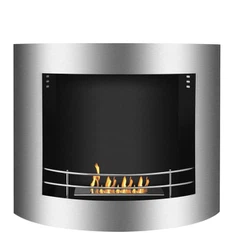
We often ask ourselves the question, what kind of fireplace is truly environmentally friendly? There is no doubt that alcohol fireplaces have this ability. Alcohol fireplaces can replace traditional heat sources-such as traditional wood-burning fireplaces and floor heating air conditioners. Under the same conditions, the alcohol fireplace using biomass ethanol fuel is not inferior to its predecessors. Although the alcohol fireplace is a newcomer to the fireplace family in the heating field, it is better than the alcohol fireplace can burn cleanly. Ideally, it Will not emit a large amount of harmful or dirty substances to the environment (in fact, the only products of combustion are carbon dioxide, water and heat).
Similar to the traditional heat source, the alcohol fireplace is designed to generate heat and light in the room for heating and viewing the fire. In order to achieve this goal, it is necessary to meet the three elements of combustion. In other words, fuel is the most important existence. Traditional fireplaces may use wood or natural gas or coal gas as the heat source fuel. Otherwise, the alcohol fireplace uses biomass ethanol fuel, a combustible and renewable resource. Generally speaking, there are different types of biomass ethanol fuel, but the most important part used for combustion is nothing more than sugar-based and corn-based substances. Alcohol fireplaces that use biomass ethanol as fuel will not generate smoke when they generate heat. Therefore, the chimney or flue is not an indispensable part. You can understand that the installation and subsequent maintenance costs can be greatly reduced.
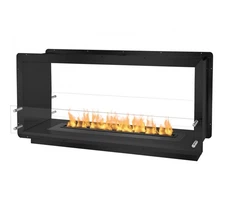
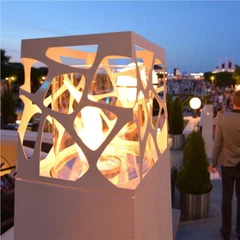
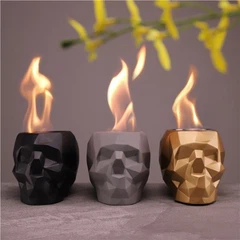
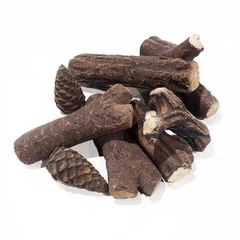
There are many types of alcohol fireplaces. Although there may be more or less differences in the design meaning and practical aspects of each type, such as the structure of the fire box that contains the fire source, the special coating to prevent corrosion after the real fire burns, and Reinforcement structures are all necessary for uniformity, and even fake logs and ceramic logs are used for aesthetics.
The function of the alcohol fireplace is mainly related to environmental benefits. Biomass ethanol fuel will not release harmful gases into the atmosphere, but will generate a small amount of carbon into the air. The biomass ethanol fuel used in the alcohol fireplace is also a miraculous renewable energy source. The logs used in traditional fireplaces are derived from forests, which interferes with the number of trees in the environment and the oxygen content in the air. Since the biomass ethanol fuel used in the alcohol fireplace is made of sugar or corn, the time required to grow these crops is less than the time required to plant and plant trees.
In a sense, the alcohol fireplace is a natural emission-free fireplace. What you may not think of is that this seemingly cost-saving and convenient natural choice, but in practical applications, it is dangerous. The special commonality and With a special structure, if the alcohol fireplace cannot operate normally, it will bring about two very real negative effects.
The oxygen level may decrease as the carbon dioxide level increases. The final result is nothing more than two, one is that the humidity of the room where the alcohol fireplace is located may increase. Furthermore, we can assume that if the space where the alcohol fireplace is located does not have proper ventilation and air circulation equipment, then the trace carbon dioxide emitted by the alcohol fireplace into the air will accumulate.
Carbon dioxide is non-toxic. Alcohol fireplaces don’t need a chimney, which is well known, but without a chimney without ventilation is deadly, because excessive carbon dioxide will reduce the oxygen content, and the alcohol fireplace will not burn completely at this moment. The product contains carbon monoxide, which is a highly dangerous, colorless and odorless gas that can be released into the air. Most manufacturers of alcohol fireplaces explain that the amount of carbon monoxide released by their products is negligible, and the level produced is not higher than the level that a burning candle might produce. This explanation is based on the premise of unobstructed ventilation.