

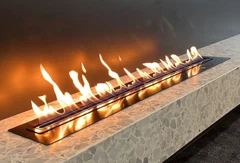
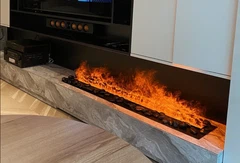
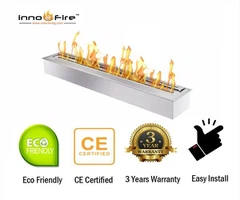
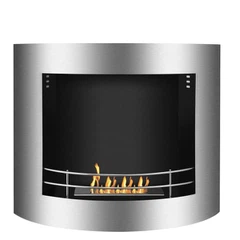
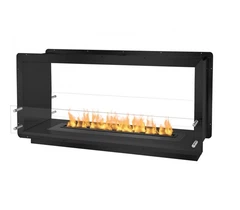
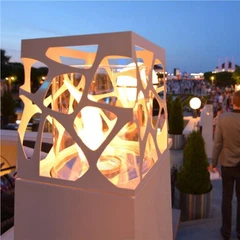
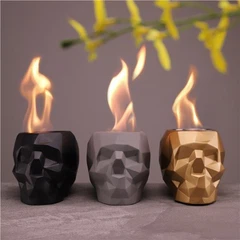
An alcohol fireplace is a ventless fireplace that uses biomass ethanol alcohol as a fuel source. You can use many types of this appliance both indoors and outdoors. Since they do not require chimneys, gas pipes, these convenient devices can be moved to anywhere you want. Using an alcohol fireplace indoors or outdoors is as easy as lighting a match. Alcohol fireplace appliances are generally quite safe, but it is also important to use the fireplace and store fuel according to the instructions.
Alcohol fuel basics
Alcohol fuel usually burns for about two and a half hours to three hours. The cost per can is only a few to ten dollars. Some fuel mixtures contain organic materials that make a hissing or popping sound when burning to imitate the sound of burning wood. Alcohol fuel does not smoke or produce ash when burning.
Indoor freestanding
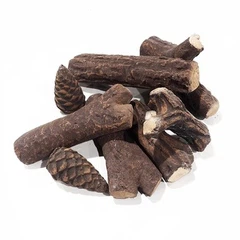
Most biomass ethanol alcohol fireplaces for indoor use are freestanding, which means that they only need to be placed on a floor that is firm enough and has not collapsed, and do not need to be installed in the wall, so there is no need to reserve holes. This allows you to move them from one room to another according to your living habits and needs in your residence. A freestanding fireplace is a great addition to a home or small space. Many indoor ethanol fireplaces have the look of a traditional fireplace, with a mantel, columns and moldings, a fireplace screen, and ceramic logs. There are also some modern styles with glass panels or taller, more fully customized options where the flames burn in decorative rocks.
Outdoor ethanol fireplaces
Ethanol fireplaces for outdoor use come in a variety of styles, including fire pits, modern fireplaces, and traditional fireplaces. Some models are compact and portable, so they can be used indoors or outdoors.
Wall-mounted ethanol fireplaces
In addition to freestanding ethanol fireplaces, there are also wall-mounted units designed to be used indoors or outdoors. These are great for small rooms and outdoor areas because you don't have to take up any floor space. They also allow you to install the fireplace in places where you wouldn't normally be able to install it.
Heat output
Ethanol fuel typically provides about 3,000 Btus (British Thermal Units) of heat. But that's just a theoretical value. In reality, about 9,000 Btus will be produced during a combustion job. By comparison, a wood fire in a regular wood-burning fireplace can produce 20,000 to 40,000 Btus, while a gas fireplace produces about 8,500 to 60,000 Btus. Although fireplaces produce less heat than either, there is little heat loss because there is no chimney, and there is no airflow to pull the heated air out of the chimney and exhaust it. An hour of burning in an ethanol fireplace is enough to raise the temperature by about 10 degrees Fahrenheit in a small space. However, the overall heat gain is lower than that of a wood-burning appliance.
Safety Tips
- Ethanol fuel is safe to burn both indoors and outdoors, but there are some important things to remember when using an ethanol fireplace:
- Never leave an ethanol fireplace burning unattended.
- Place a freestanding ethanol fireplace on a level surface, such as a solid floor or flat ground outside, to prevent it from tipping over.
- Use extreme caution when using ethanol fuel outdoors; do not use in strong winds or when it is raining or snowing.
- Always place the fuel container in place inside the ethanol fireplace body when refilling the ethanol.