

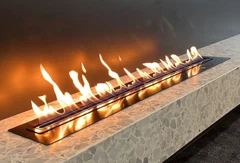
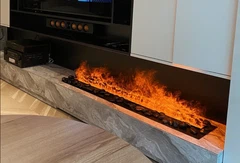
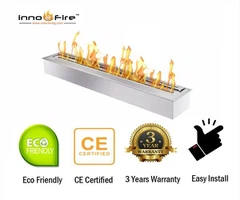
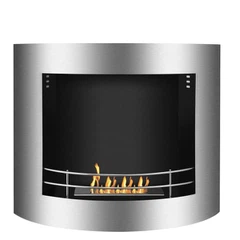


Bio ethanol fireplaces are known for their clean flame, modern aesthetics, and ease of installation - no chimney or gas connection required. However, regular maintenance and proper cleaning are essential to ensure long-term performance, safety, and elegant appearance. Below are key points every user or project owner should know about maintaining an ethanol fireplace.
1. Regular Inspection Before Each Use
Before lighting your ethanol fireplace, always check:
Fuel container or burner condition: Make sure there are no leaks, cracks, or deformation.
Burner lid and control parts: Ensure they move smoothly and are not blocked by dust or residue.
Surrounding surfaces: Confirm that no flammable items are within 1 meter of the flame area.
A quick pre-use inspection extends the life of the burner and minimizes safety risks.
2. Cleaning Frequency and Tools
To keep your fireplace in its best condition:
Cleaning frequency: Wipe the burner and surrounding surfaces after every 3–5 uses or whenever residue appears.
Recommended tools: Use a soft microfiber cloth, non-abrasive cleaner, and warm water.
Avoid: Harsh chemicals, steel wool, or alcohol-based cleaners - these may damage the stainless steel surface or discolor the finish.
Tip: For stainless steel burners, use a small amount of stainless steel polish occasionally to restore the shine.
3. Removing Soot or Residue
Although ethanol burns cleanly, minor soot may appear over time, especially with low-quality fuel.
Use high-purity bio ethanol (≥96%) to minimize residue.
For visible soot, apply mild detergent on a damp cloth and gently wipe.
Never pour water directly into the burner or fuel box.
Choosing quality fuel not only ensures a cleaner flame but also reduces cleaning frequency and odor.

4. Maintaining the Burner Core
For long-term users:
Empty remaining ethanol after each burn. Do not store unused fuel inside the burner for long periods.
Allow the burner to cool completely before cleaning or refilling.
Check the ceramic wool or absorbent material (if applicable). Replace it if it becomes blackened or deformed after extended use.
This ensures consistent flame stability and prevents irregular burning.
5. Glass and Frame Care
If your ethanol fireplace includes a tempered glass shield, clean it with:
Neutral glass cleaner or warm soapy water.
Avoid abrasive sponges.
Dry with a lint-free cloth to keep it crystal-clear.
For powder-coated or painted frames, simply dust regularly and wipe with a damp cloth.
6. Seasonal or Long-Term Storage
If the fireplace won't be used for several months:
Drain all ethanol completely.
Clean and dry the burner thoroughly.
Cover the fireplace to protect it from dust or moisture.
Proper off-season care helps prevent corrosion and ensures it's ready for use anytime.
7. Professional Maintenance Recommendation
For commercial or large-scale installations (e.g., hotels, showrooms), we recommend:
Quarterly professional inspection by a technician.
Checking flame uniformity and burner alignment.
Verifying ventilation and safety sensors (if applicable).
Professional maintenance supports compliance with safety regulations and prolongs equipment lifespan.